
Uncovering the truth behind common gambling myths and misconceptions
Uncovering the truth behind common gambling myths and misconceptions
The Illusion of Control in Gambling
One prevalent myth in the gambling world is the belief that players can control the outcome of games through strategies or techniques. Many gamblers think that by employing specific betting patterns or systems, they can tilt the odds in their favor. In reality, most games of chance, such as slots and roulette, are designed to be random, making it impossible to predict or influence the outcome. Understanding the complexities of casino dynamics is essential, and engaging with resources like the best online poker real money platforms can provide deeper insights.
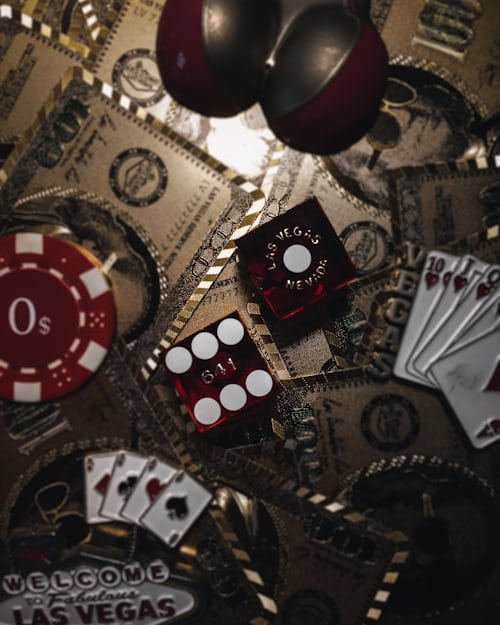
This misconception often leads players to chase losses, believing that their luck will eventually turn. Such behavior can lead to a cycle of increased bets and deeper financial trouble. Understanding that outcomes are based on chance rather than skill is crucial for responsible gambling.
The Gambler’s Fallacy
The gambler’s fallacy is a common belief that past events can influence future outcomes in independent random events. For example, if a roulette wheel lands on red several times in a row, some players may feel that black is “due” to hit next. This flawed logic can lead to misguided betting strategies, causing players to make irrational decisions based on perceived patterns that do not exist.
It’s important to recognize that each spin of the wheel or deal of the cards is an independent event, unaffected by previous results. This understanding helps to mitigate losses and promotes healthier gambling habits, encouraging players to rely on statistics rather than superstition.
The Myth of “Hot” and “Cold” Machines
Slot machines are often categorized by players as either “hot” or “cold,” suggesting that certain machines are more likely to pay out than others. This belief can mislead players into spending more time and money on specific machines that they perceive to be more rewarding. However, each machine operates based on a random number generator, ensuring that payouts are completely arbitrary.
The concept of “hot” and “cold” machines can create an emotional attachment to certain games, ultimately leading to disappointment when expectations are not met. Understanding the random nature of slot machines can help gamblers maintain a more realistic approach to their gaming experience.
The Role of Skill in Gambling
While many believe that certain forms of gambling, like poker, allow for skill-based play, it’s essential to recognize the balance between skill and luck. Players may think that their abilities can guarantee consistent winnings, but luck still plays a significant role in the outcome of each game. Even the most skilled player can face bad luck at any time, highlighting the unpredictable nature of gambling.
Educating oneself on the dynamics of both skill and luck can empower players to make informed decisions and manage expectations. Emphasizing responsible play and understanding that outcomes can vary, regardless of skill, is essential for a positive gambling experience.

Safe Gambling and Responsible Play
As gambling continues to evolve, it’s crucial for players to seek out reliable information and support. Various platforms, including dedicated sports broadcasting sites, provide valuable resources and real-time updates that can enhance a player’s understanding of the gambling landscape. It’s essential to prioritize safety and responsible gaming practices, ensuring that enjoyment does not turn into dependency.
By taking advantage of educational resources, players can better navigate the complexities of gambling, allowing them to enjoy their experience while minimizing risks. A commitment to responsible play not only benefits individual players but contributes to a healthier gambling community overall.