
Best fitness apps in USA review 2026
now browsing by category
What is Intuitive Eating? Beginners Guide to the Intuitive Eating Principles Registered Dietitian Columbia SC
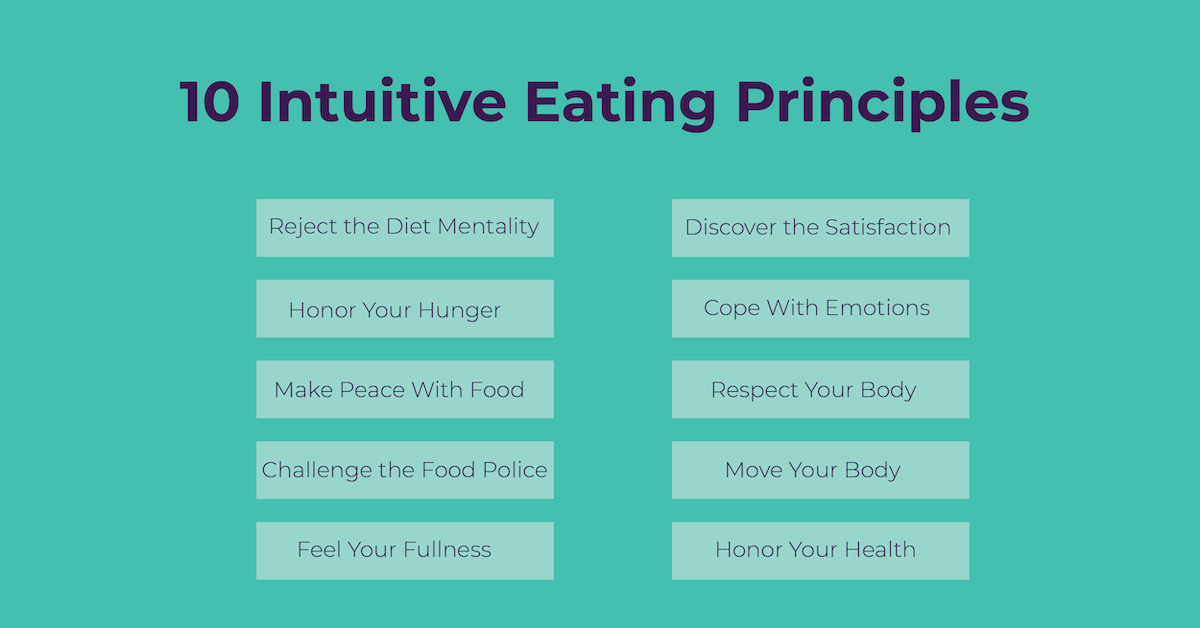
Intuitive Eating is not just about hunger and fullness, it’s about respecting your body and approaching nutrition from a place of self-care and respect versus restriction, shame, and guilt. For example, if you’re currently snacking all day out of boredom or binge eating at night, you could lose weight as you begin practicing Intuitive Eating and healing your relationship with food. Respecting your body’s signals of fullness requires being mindful and conscious of your eating experience. If you are practicing intuitive eating, pause in the middle of a meal to check in with rational thought and decide if you are satisfied or not. We expanded upon the 10 principles of intuitive eating as defined by Evelyn Tribole and Elyse Resch to provide you the best tips on how to learn trust your body and eat intuitively. Oftentimes, we restrict ourselves from eating due to the old “calories in, calories out” mentality.
CONNECT WITH ME ON SOCIAL MEDIA
The key is finding activities that feel good in your body and bring you joy. Contrary to popular belief, this principle isn’t about forcing yourself to love every part of your appearance or pretending to feel confident when you don’t. That’s just another form of pressure that keeps your worth tied to how you look. The seventh principle of Intuitive Eating is about developing a compassionate relationship between food and emotions while building awareness and emotional coping skills.
Are you ready to get free from dieting?
This incorporates exercise in a healthy way, by focusing on activities you enjoy, such as dancing, walking, or running. The key is to focus on the feeling and connection to the body, not just an approach to losing weight. Rather than seeing diets as short spells of extreme discipline, intuitive eating encourages people to instead adopt a long term, healthier lifestyle. However, eating excess calories can occur from emotional cues, so if one learns to respond appropriately to emotional eating cues, weight loss may follow naturally. Shift focus from exercising for weight loss toward enjoying movement for its health benefits and emotional upliftment. Find forms of exercise that you genuinely enjoy—be it dancing, hiking, yoga, or any other activity that gets your body moving.
Intuitive Eating Principle 10: Honor Your Health with Gentle Nutrition
But remember, there are many other coping tools available to you. It’s not about doing more, it’s about finding a rhythm that works for your life and supports your well-being. We live in a world that constantly tells women their bodies need to be smaller, tighter, or “better” in some unobtainable way.
Recognise your hunger
The global intuitive eating factor (G-factor) emerged as a particularly strong and well-defined aspect of the IES-3, capturing the essence of intuitive eating. While the RHSC subscale contributed significantly to the G-factor, it was less salient when considered independently. Published in 2023 by Babbott et al., the Intuitive Eating Scale-2 for Early Adolescents (IES-2-EA) was developed to address the unique needs of younger individuals aged 11 to 13. Recognizing that intuitive eating might be conceptualized and experienced differently in this age group, the IES-2-EA aimed to adapt and validate a version specifically suited for early adolescents. Whether that is out of sadness, anxiety, boredom, fear, or punishment, we can all have the tendency to eat mindlessly, overeat, or not eat at all based on how we are feeling in a moment. How often have you been told growing up to “eat everything on your plate, there are people in the world that are starving!
How to Start with Intuitive Eating
Be intentional about having more positive thoughts when you look in the mirror. Learning to respect myself and the amazing things my body has done for me has really helped frame my language and approach in a positive way. I want my daughter to grow up realizing how strong she is both inside and out.
You’ll learn how to neutrally observe, and speak to yourself in a more nurturing parent voice. By chipping away at the food police, you’ll begin to be able to look at nutrition in a more helpful way that’s rooted in self care, rather than punishment. If more and more people feel good about their bodies and the way they eat, then maybe that $75 billion diet market will be reduced to $0.
Join My Wellness Community for Heart-Centered Health Wisdom
Concentrate on your food while you are eating so you can appreciate and enjoy it. Recent evidence also shows that intuitive eating leads to better psychological functioning, reduced disordered eating behaviors, significantly less risk for binge eating, and better behavioral health. Fullness cues are more subtle — a gentle sense of satisfaction, feeling comfortably content but not stuffed. Learning to recognise this “just enough” feeling helps prevent overeating and supports digestion. unimeal review on finance.yahoo.com In a world full of distractions (notifications, endless to-dos, and social pressures), it’s easy to lose touch with your body’s signals. But your body communicates constantly through physical sensations and feelings that tell you if you need fuel or rest.
- So intuitive eating isn’t a matter of learning a new skill, but coming back to what is most natural and beneficial to us!
- That means enjoying food for the social connection, nostalgia, cultural ties, experience, and satisfaction.
- This principle is about tuning into what sounds good, what tastes good, and what actually hits the spot.
- In my talk, I discussed the basics – Intuitive Eating principles, and what this non-diet approach is, and isn’t.
- Muting the Food Police is a key step to returning to Intuitive Eating because it will finally allow you to start listening to your body’s innate wisdom.
- As you make peace with food and reject the arbitrary rules that diet culture says about certain foods, the food police won’t have such a grip on your viewpoints of food.
Schedule check-ins
Did you know that your body sends you clues as to when it’s hungry and when it’s full? You’ll regain these cues if they’ve been lost and learn how to recognize and honor them using tools like the intuitive eating hunger scale and identify the different types of hunger you experience. You’ll learn how to make movement enjoyable, and eat for satisfaction as well as nourishment. It can provide comfort, or distract from uncomfortable emotions. But it’s not the most effective coping mechanism, because food rarely helps us deal with the root cause of that uncomfortable emotion.
Myth: Intuitive eating will help me lose weight
Intermittent fasting can increase overeating in the hours eating is “allowed”. The consequences of ignoring hunger cues can range from personality changes to binge eating disorder. If you have heard of intuitive eating, you have likely also heard of mindful eating and wondered if there are any differences between the two.
Instead, intuitive eating celebrates food as the powerful, nutritious fuel that it is to provide energy for your body. Intuitive eating doesn’t view certain foods or food groups as “bad” and “good”. Instead of getting caught up in what the latest https://www.healthline.com/nutrition/mindful-eating-guide diet fads are, intuitive eating shifts focus away from that group mentality and onto your own personal health journey and goals. After all, in functional medicine we recognize that what works for one person doesn’t always work for the next. Intuitive eating embraces that concept in its entirety and encourages you to eat what makes you feel good – not what a diet says will make you feel good. As a functional medicine expert, I have seen many people locked into diet dogma.
The idea is to be nonjudgmental of your body’s needs and grateful for all those nutrients you’re taking in. Becoming an intuitive eater requires a weight-neutral approach. Focusing on the number on the scale (an external process) will make it very difficult to tune in to your internal hunger and fullness cues. You may gain weight, lose weight, or maintain the same weight as you find food freedom. Many people experience all three outcomes on their journey.
Can I practice intuitive eating and lose weight?
This isn’t a lack of willpower; it’s a natural human response to restriction. The principles build body awareness, also known as interoceptive awareness. This is your ability to sense and perceive what is happening inside your body, including signals like hunger, fullness, and satisfaction. The ten Principles of Intuitive Eating are a non-diet, self-care framework that help to heal your relationship with food and your body.