
How to Determine Your Calorie Deficit
Our calorie calculator uses this principle to produce its estimates. Once you have started your weight plan, you should review your progress after 3-4 weeks and adjust your calorie intake accordingly. BMR typically increases with your weight and height, because you have a larger body mass to support.
What food can I eat for 1200 calories a day?
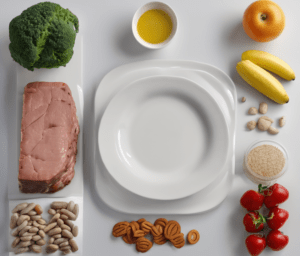
For most people, eating less food is the easiest way to create a calorie deficit. For example, if you calculate your maintenance calories as 2,500 per day, you can simply eat 2,000 calories per day to lose around 1 pound per week. Our macro calculator is a simple way to get macro estimates (in grams per day) of each macro. It takes into account your current body weight, and sets a minimum protein intake based on nutritional recommendations. It then adjusts your fat and carbohydrate macros to make your overall intake as balanced as possible given your calorie deficit or excess.
A.M. Snack (42 calories)
- That said, speak with a healthcare professional if you’re unsure about the number of calories you need to eat.
- Lean proteins, such as chicken, fish, tofu, eggs, and beans, help repair muscles and keep you full.
- This is your BMR multiplied by a factor based on your activity level.
- This tried and true weight loss approach has been around for ages.
- Focusing on how I can get more comfortable with hunger pangs, instead of which diet works best will not only transform the body but also the relationship with food.
- Just like the rest of your body, your brain needs calories for energy.
When it comes to achieving weight loss through a calorie deficit, knowing what to eat and how to structure your https://www.nhs.uk/better-health/lose-weight/healthy-eating-when-trying-to-lose-weight/ meals is key to your success. Luckily, creating a plan that works doesn’t mean sacrificing flavor, feeling deprived, or resorting to bland meals. Whether you’re new to tracking calories or are simply in need of some fresh ideas, we’ve got precisely what you need in this guide. Below, you’ll find 27 calorie deficit meal ideas designed for balance, variety, and most importantly, results.
Burn More Calories
Focusing on the right foods, understanding macronutrients, and choosing enough fiber and whole grains can support your health and keep you feeling satisfied. The size of your calorie deficit impacts how quickly you may lose weight. A moderate calorie deficit, such as eating 500 fewer calories a day, is generally seen as safe and sustainable for most adults. When working with clients, Feder typically recommends a 250- to 500-calorie deficit, as this results in a steady and sustainable rate of weight loss over time.
Day 21
We use your current weight to calculate your total daily energy expenditure (TDEE). For example, if the amount of calories to maintain your weight is 2000 calories, you need to create a calorie deficit in order to lose weight. You’d need to eat less than 2000 calories and/or burn extra calories through exercise. Your activity level also plays a big role, because moving more leads to burning more calories. Other things, like having more muscle mass, increase your metabolism, so you use more energy even when you’re at rest.
TAKING A BREAK: DIET BREAK OR MAINTENANCE PHASE?
Whether we absorb all of these calories depends both on the food we eat, how it was prepared and processed, and its individual characteristics. In addition to this our gut bacteria may influence how we absorb, use and expend the energy we eat. There’s still much for us to learn in this area and conclusive evidence is lacking but it does suggest our weight loss journey may be more individual than we first thought. Whether this is a suitable goal or not depends on our TDEE, to begin with, and other individual factors, such as age, sex, and activity levels. This is why consulting with a healthcare professional, such as a registered dietitian to develop a personalized plan is vital.
Practical Recommendations for Caloric Deficit for Cutting
Research has found that calorie-counting apps often miscalculate needs and offer little source personalized guidance. This can reinforce a false sense of precision, leading users to believe they’re in a deficit when they aren’t. Additional research has linked calorie-tracking apps to disordered eating tendencies, particularly in women.
Next, sauté the spinach with garlic and olive oil in a skillet on medium, then toss in the tomatoes afterward. Serve the chicken with the spinach, tomatoes, and half a baked sweet potato. 95% of patients pay $0 out of pocket when they see a dietitian with Berry Street. At Berry Street, we connect you with Registered Dietitians to help you make the most of your calorie-deficit journey. Vegetables, fruits, and whole grains not only provide bulk without excess calories but improve digestion as well.
You’ll want to limit fats as they are the most calorie-dense food group — 1 gram (g) of fat contains 9 calories, whereas 1 g of protein and carbs contain 4 calories each, per the USDA. You can incorporate healthy calorie-dense foods, like nuts and avocados, without breaking the deficit by practicing moderation. “Use fats as condiments rather than making them the focus of a snack or meal,” says Vicki Koenig, a registered dietitian based in Hudson Valley, New York. A small caloric deficit, like 250 calories per day, may result in slow fat loss. For example, if your maintenance is 2,500 calories, eating 1,500–2,000 calories creates a calorie deficit to lose weight calculator result of 1–2 pounds per week.
Pair it with a handful of thinly sliced cucumber, seasoned lightly with a pinch of salt or your favorite herbs for added flavor. This snack is both healthy and effortless, ideal for a nutritious break. Banana oatmeal is a comforting and nutritious breakfast option that’s simple to prepare and packed with health benefits.
You’ll need to adjust your calorie intake based on your weight loss goals. When you burn more calories than you consume (the basic definition of creating a calorie deficit) your body has to resort to other options to get the energy it needs to operate. When this happens, your body turns to fat stores, where fat is used as a secondary energy source. The portions and types of foods included in this meal plan will vary based on age, level of physical activity, and individual health status. For this reason, it is recommended to consult a registered dietitian who can perform a full evaluation and develop a personalized meal plan that meets your individual nutritional needs. Losing weight is possible by consuming fewer calories than you burn, even if you are inactive.
Basal metabolic rate
That’s why it’s important to keep track of your beverage intake too. Liquids can easily add up and make you consume more calories than you think. Now compare those two numbers—the number of calories you currently eat versus the number of calories you need to eat to maintain your weight. The best place to start is getting a sense of how many calories you’re currently taking in daily. If people cut too many calories and do not get enough necessary nutrients, they can experience health problems. There are several ways to determine how many calories a person typically burns daily.
Step 1: Calculate your TDEE
There is so much nuance in talking about the topic of a calorie deficit. From navigating a deficit in a sustainable way to recognizing if your body is even ready for a deficit, there are so many different factors to consider. Many people sleep better and snack less when dinner includes a modest, high-fiber carb (beans, intact grains, or potatoes with skin) plus 25–40 g protein and vegetables. Build three to five repeatable dinners, two easy lunches, and a reliable breakfast.
“I aim for a range that’s not too drastic of a change that’s hard to maintain,” he says, adding that “it’s just enough to make a difference in body weight.” Everyone’s calorie needs are different, which is why a diet that results in sustainable weight loss for your friend may not work for you. So the first step is finding out exactly how many calories you need in a day. In other words, you need to figure out your basal metabolic rate, or BMR.
Calories in common foods
Focus on eating more fruits, vegetables, lean proteins, and whole grains in your daily meals. Tracking your food intake each day helps you spot areas where you might be getting extra calories without realizing it. Even healthy foods can lead to weight gain if you eat too much of them.